Edible Rooftop Gardens
A Community and Nature-based Climate Resilience Building Strategy




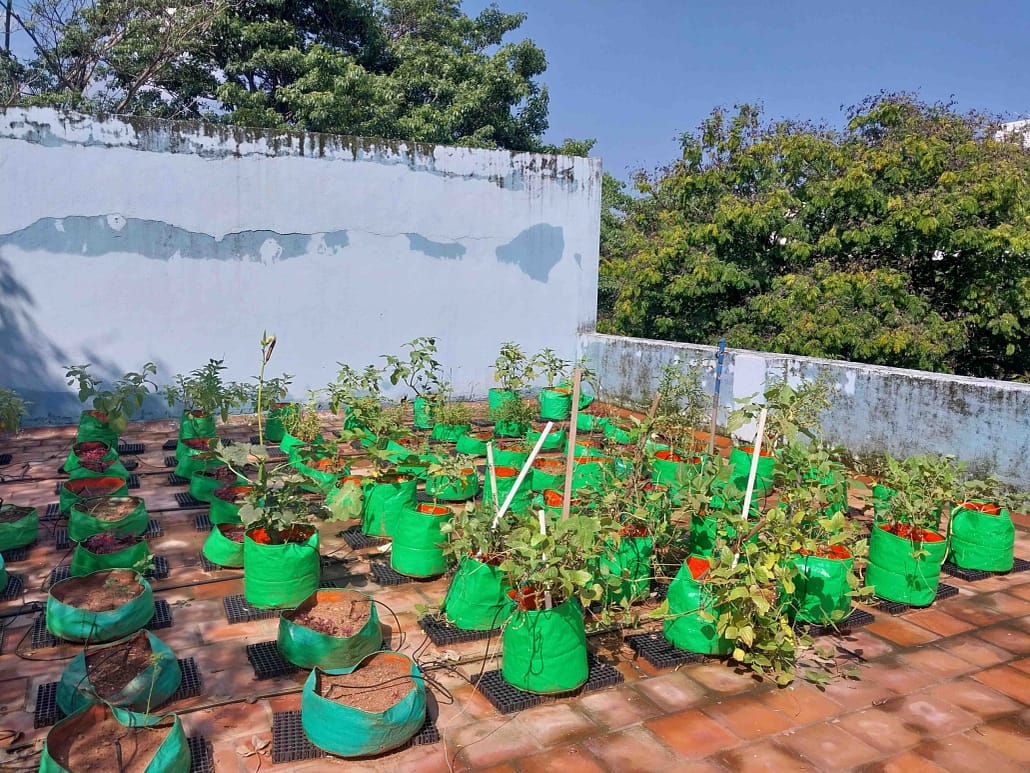
Nature based Solutions (NbS) have emerged as a more holistic and sustainable solution to address extreme heat in urban areas since they provide cooling through shade, evapotranspiration in the case of trees and other vegetation and act as heat sinks in the case of water bodies. Literature also suggests that rooftop gardening/urban agriculture can lower indoor temperatures significantly. Okapi Research and Advisory has been working with the Chennai Resilience Centre to measure the potential impact of rooftop vegetable gardens on heat adaptation and found that a 1000 sq.ft. rooftop garden reduced temperatures in the room below by nearly 7°C during the day in peak summer. The organisations also found that while the garden had a significant impact on heat adaptation, the beneficiaries valued the gardens’ other co-benefits more based on their hierarchy of needs such as access to fresh and nutritious food, having access to a green space which helps with mental and physical health etc. The gardens therefore, became an entry point to introduce the subject of heat and coping mechanisms.
As such in India, there is a critical need for robust scientific evidence about the efficacy of rooftop gardens to address extreme heat, especially how hyperlocal and low-cost, smaller NbS solutions can help socioeconomically vulnerable communities (often without access to air conditioning) adapt to heat.
With respect to policy, the Tamil Nadu Heat Mitigation Strategy (2023) broadly discusses efforts to mitigate heat stress by increasing green cover, improving urban planning to reduce heat islands, and creating awareness about how to better manage hot days but doesn’t specifically recognise urban rooftop gardening or community-based adaptation solutions. This study seeks to address these research and policy gaps by working with local communities on long term, nature-based adaptation solutions.
Following are the research questions guiding this project:
– Can edible rooftop gardens be an effective nature-based and community-driven heat adaptation strategy, especially for the socio-economically marginalized?
– What are the regulatory/financial/infrastructural opportunities and barriers for promoting such nature-based and community-driven solutions in mainstream urban development plans as a climate adaptation strategy?
The outcomes of this project will include the following:
– Building evidence for the role that edible rooftop gardens may play as an adaptation tool for low- income groups to cope with the increasing heat experience that cities are facing.
– Developing an understanding of the type/size/characteristics of gardens that may have differential implications for improving thermal comfort
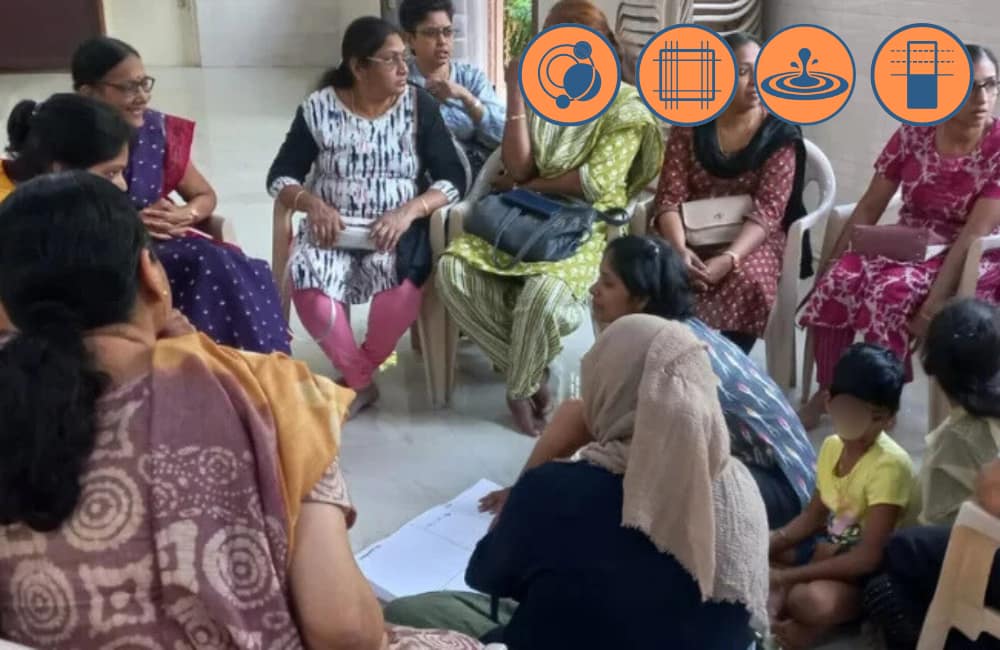
– Sensitizing low-income communities about the risks of increasing heat and how they may cope with it leveraging edible rooftop gardens and possibly also other solutions.
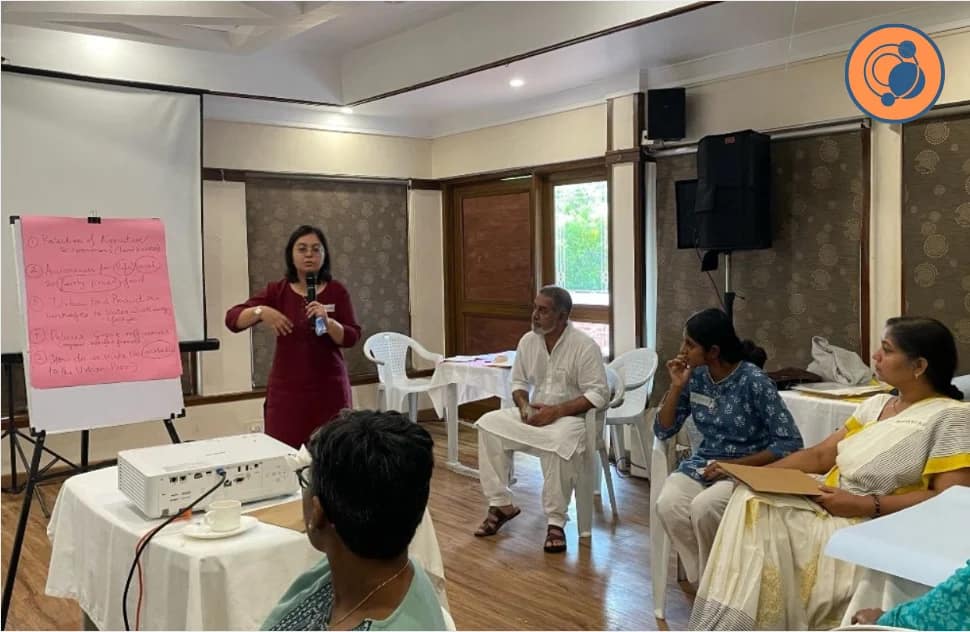
– Initiating a dialogue with relevant government and private actors serving the vulnerable communities to think about and integrate low-cost, community and nature-based solutions like that of the edible rooftop gardens as an adaptation strategy in their plans/projects.